Understanding Calories, Protein, & Complex Carbs
Everything your body runs on, explained like an owner's manual: what the fuel gauge means, what the repair crew does, and why the slow-burning wiring matters more than you think.
MacroPortal field guide · General educational information, not medical advice. Figures below are standard nutrition science (the Atwater 4/4/9 values); individual needs vary.
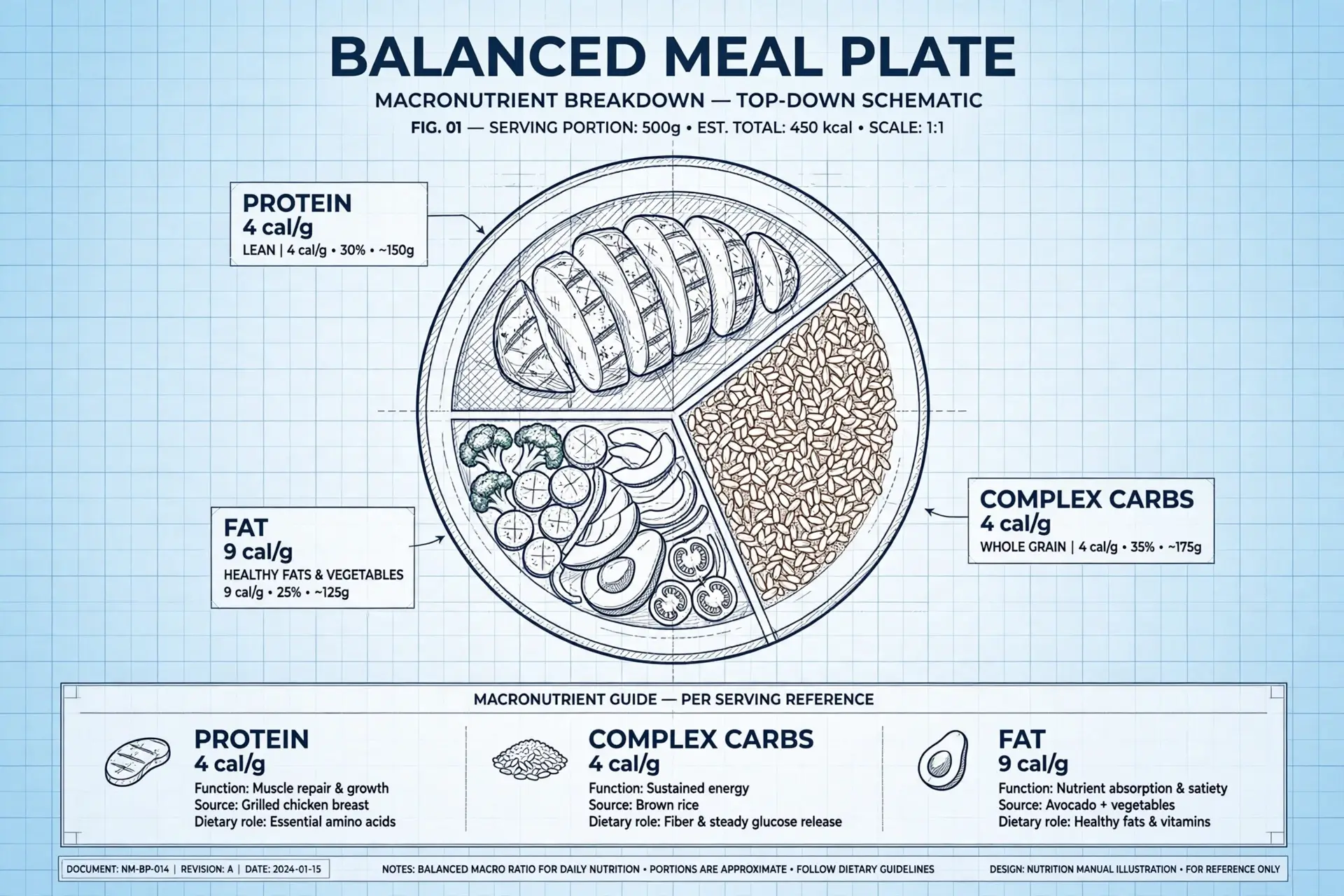
Fig. 1 — The three systems this manual covers.
You don't need a nutrition degree to eat well. You need the same thing you need for anything with moving parts: an owner's manual. This one covers the three systems that power everything you do — calories (the fuel), protein (the repair crew), and complex carbs (the slow-burning wiring). Four chapters, one spec sheet, and a troubleshooting table for the days your energy doesn't cooperate.
Calories: The Fuel Gauge
A calorie isn't a thing you can hold. It's a unit of energy — specifically, the energy your body extracts from food to keep you breathing, thinking, moving, and warm. On nutrition labels you'll see "Calories" with a capital C, which technically means kilocalories (kcal): the energy needed to raise one kilogram of water by one degree Celsius. When someone says a banana has "105 calories," they mean 105 kilocalories of usable energy.
Where does that energy come from? Almost entirely from three macronutrients — protein, carbohydrates, and fat — each carrying a fixed amount of energy per gram. This is the 4/4/9 rule, the closest thing nutrition has to a law of physics:
⚙ SPEC SHEET — ENERGY PER GRAM (ATWATER VALUES)
| Macronutrient | Energy | What it means |
|---|---|---|
| Protein | 4 cal/g | Repair material that happens to burn as fuel |
| Carbohydrates | 4 cal/g | The body's preferred quick fuel |
| Fat | 9 cal/g | More than double the energy per gram — small amounts go far |
That 4/4/9 pattern explains a lot about real food. A tablespoon of olive oil (~14 g of fat) carries about 120 calories, while a whole apple (~25 g of carbs) carries about 100. Fat isn't the villain — it's simply concentrated fuel, which is why fried foods and pastries add up silently.
How much fuel does a human need? Commonly cited maintenance ranges run roughly 2,000–2,500 calories a day for many adults — lower for smaller or sedentary people, higher for larger or very active ones. Eat consistently above what you burn and the surplus gets stored (mostly as body fat); eat below it and the body taps its reserves. That's the entire machinery behind weight gain and loss — every diet that works is just a different strategy for managing this gauge.
Want to see the gauge in action? Punch a meal into our pizza calorie calculator and watch the 4/4/9 math assemble itself from the macros. Or look at a familiar benchmark: our Big Mac breakdown shows how 590 calories distribute across protein, carbs, and fat in one sandwich.
Protein: The Repair Crew
If calories are the fuel, protein is the maintenance crew. Your body breaks dietary protein into amino acids — twenty-odd building blocks it reassembles into muscle tissue, skin, hair, enzymes, immune cells, and hormones. You are, quite literally, rebuilt from protein every single day, which is why a shortage shows up as slow recovery, thinning hair, and getting sick more often.
Protein also has a second job that dieters love: satiety. Gram for gram, protein keeps you feeling full longer than carbs or fat, partly because it digests slowly and partly because of how it signals the brain. A breakfast with 25–30 g of protein will typically carry you further than a pastry with the same calories.
How much does the crew need?
The commonly cited baseline is about 0.8 g per kilogram of body weight per day for sedentary adults — roughly 55–65 g for most people. But that's a floor, not a target. Active people, dieters (protein protects muscle during a deficit), older adults, and anyone lifting weights generally do better with more; sports nutrition guidelines commonly cite 1.4–2.0 g/kg for building muscle. A 75 kg person training regularly might therefore aim for roughly 105–150 g a day.
Hitting that is easier than it sounds when you know the heavy hitters. A 150 g grilled chicken breast delivers around 45–50 g of protein — run the numbers for your portion in our chicken breast nutrition calculator (and the chicken thigh calculator if you prefer dark meat). Eggs (~6 g each), Greek yogurt (~15–20 g per serving), lentils (~18 g per cooked cup), and canned tuna (~25 g per can) fill the gaps. For fast-food days, our high-protein fast food guide ranks eleven options that keep protein high without blowing the calorie gauge.
Complex Carbs: The Slow-Burning Wiring
Carbohydrates have a PR problem, and it's mostly a case of mistaken identity. All carbs break down into glucose — the fuel your brain and muscles prefer — but how fast that happens changes everything. That's the real difference between simple and complex carbs:
| Simple carbs | Complex carbs | |
|---|---|---|
| Structure | Short sugar chains (1–2 units) | Long chains, often bundled with fiber |
| Examples | Table sugar, soda, candy, white bread, pastries | Oats, brown rice, quinoa, lentils, beans, sweet potatoes, vegetables, whole fruit |
| Digestion speed | Fast — floods the blood with glucose | Slow — fiber acts like a time-release coating |
| Energy feel | Quick spike, then the crash | Steady, even output for hours |
| Fullness | Low — easy to overeat | High — fiber and volume signal satisfaction |
Think of it as wiring: simple carbs are thin wires that surge and blow the fuse; complex carbs are heavy-gauge wiring delivering steady current. The fiber is the unsung hero here — the commonly cited daily target is 28 g of fiber (the US Daily Value), and most people get barely half. Fiber slows digestion, feeds gut bacteria, and is the main reason a bowl of oatmeal outlasts a donut by three hours. Check where you stand with our fiber calculator — the result surprises almost everyone.
Practical rule of thumb: if it still looks like the plant it came from, it's usually a good pick. An oat flake, a lentil, a sweet potato — minimal refining, maximum steadiness. The more a carb has been milled, puffed, and sweetened into submission, the more it behaves like sugar in your body, whatever the package claims.
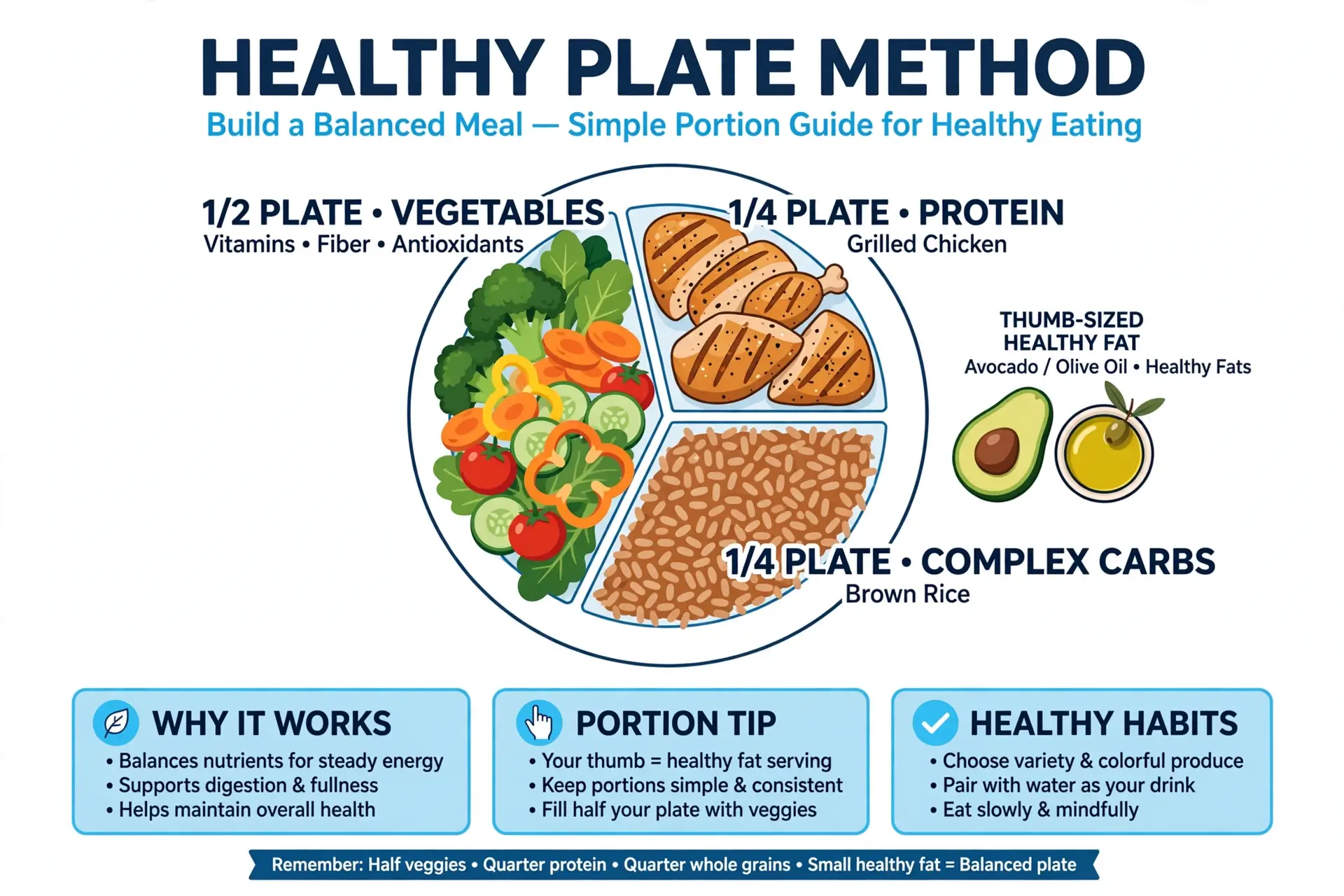
Fig. 2 — A textbook macro plate: protein, complex carbs, vegetables.
Putting It Together: The Plate Method
Manuals are useless without assembly instructions. Here's the simplest one that actually works — no scale, no app required:
- Half the plate: vegetables. Volume, fiber, and micronutrients for very few calories. This is the wiring and the insulation in one.
- A quarter: protein. A palm-and-a-half-sized portion — chicken, fish, eggs, tofu, lentils. This is the repair crew's shift meal.
- A quarter: complex carbs. A fist-sized portion — brown rice, quinoa, oats, sweet potato, beans. Slow-burning fuel for the hours ahead.
- A thumb of fat. Olive oil, nuts, avocado. Small amount, big job: hormones, vitamin absorption, satisfaction.
Now watch the 4/4/9 math on a real example. Take a 150 g grilled chicken breast (~46 g protein → ~184 cal), a cup of cooked brown rice (~45 g carbs → ~180 cal, plus ~3.5 g fiber), two cups of mixed vegetables (~10 g carbs → ~40 cal), and a teaspoon of olive oil (~5 g fat → ~45 cal). Total: roughly 450 calories, ~50 g protein, and enough fiber to keep you full for hours. Same fuel gauge as a fast-food burger — completely different spec sheet.
And when the day goes sideways — salty takeout, skipped lunch, the 3pm vending machine — don't scrap the manual. Flip to the troubleshooting table below, fix the one thing that's off, and keep going. One bad meal never broke anyone's engine; quitting the manual does.
Troubleshooting: When the Engine Runs Rough
Find your symptom, check the likely macro culprit, apply the fix:
| Symptom | Likely culprit | The fix |
|---|---|---|
| Energy crashes at 3pm | Lunch was mostly simple carbs, little fiber | Swap the white bread for whole grains; add lentils or beans |
| Always hungry an hour after eating | Too little protein and fiber | Anchor every meal with 25–30 g protein plus vegetables |
| Workouts feel flat and weak | Carbs too low around training | Eat a complex-carb meal 2–3 hours before; a banana 30 min prior |
| Bloated after salty fast food | Sodium spike (a burger can carry ~900 mg) | Drink water generously the rest of the day — check targets with our water intake calculator |
| Cravings every evening | Under-fueled during the day | Stop skipping meals; front-load protein at breakfast and lunch |
| Weight stuck despite "eating clean" | Healthy but calorie-dense foods (nuts, oils, cheese) | Remember fat is 9 cal/g — measure the thumb, don't eyeball it |
✅ Keep This Manual: The 60-Second Checklist
- Fuel gauge: know your rough daily range — most adults land near 2,000–2,500 cal for maintenance.
- 4/4/9: protein 4, carbs 4, fat 9 calories per gram. Estimate any meal in seconds.
- Repair crew: ~0.8 g protein per kg is the floor; active people aim higher (1.4–2.0 g/kg).
- Wiring: choose complex carbs that look like plants; target ~28 g of fiber a day.
- Assembly: half veg, quarter protein, quarter complex carbs, a thumb of fat.
- Troubleshooting: fix the symptom with the table above instead of restarting your diet.
Want to go deeper? Start with our homepage calculators to put numbers on your own meals — that's what this manual was built for.
❓ Quick Answers
How many calories should I eat per day?
It varies by age, sex, size, and activity. Commonly cited maintenance ranges are roughly 2,000–2,500 calories a day for many adults — lower for smaller or sedentary people, higher for larger or very active ones. The most reliable method is tracking intake against your weight trend for a few weeks and adjusting.
How many calories are in a gram of protein?
About 4 — the same as carbohydrates. Fat carries about 9 per gram. This 4/4/9 pattern (the Atwater system) is the basis of nearly every nutrition label in the world.
What is the difference between simple and complex carbs?
Simple carbs are short sugar chains that digest fast (sugar, soda, white bread) — quick energy, then a crash. Complex carbs are long chains usually bundled with fiber (oats, lentils, brown rice, vegetables) — they digest slowly and release energy steadily for hours.
How much protein do I need per day?
The commonly cited baseline is ~0.8 g per kg of body weight for sedentary adults. Active people and those building muscle often aim higher — sports nutrition guidelines commonly cite 1.4–2.0 g/kg. A 75 kg active person might target roughly 105–150 g daily.
Are carbs bad for weight loss?
No. Weight change comes down to total calorie balance, not carbs alone — people lose weight on high-carb and low-carb diets alike. Complex, fiber-rich carbs often make dieting easier because they keep you full; sugary drinks and refined snacks add calories without fullness, which is the real trap.
What are the best complex carbs?
Oats, brown rice, quinoa, lentils, chickpeas, black beans, sweet potatoes, whole fruit, and most vegetables. The common thread is fiber plus minimal refining — if it still looks like the plant it came from, it's usually a good pick.